


Suppliers
Biomasse Italia’s procurement strategy is based on local integration, circular economy principles, and sustainability.
All suppliers hold Sustainability Certification, either through voluntary certification schemes or the Italian National Certification System. The supply chain’s Chain of Custody (CoC) is maintained and guaranteed through Biomasse Italia’s own certification as a power generation operator.
The fuel used consists exclusively of biomass residues, ensuring not only full compliance with applicable legislation but also the practical implementation of a genuine circular economy model.
More specifically, the biomass feedstocks used include:
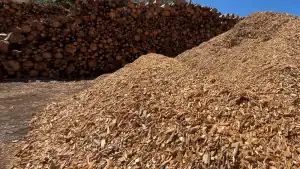
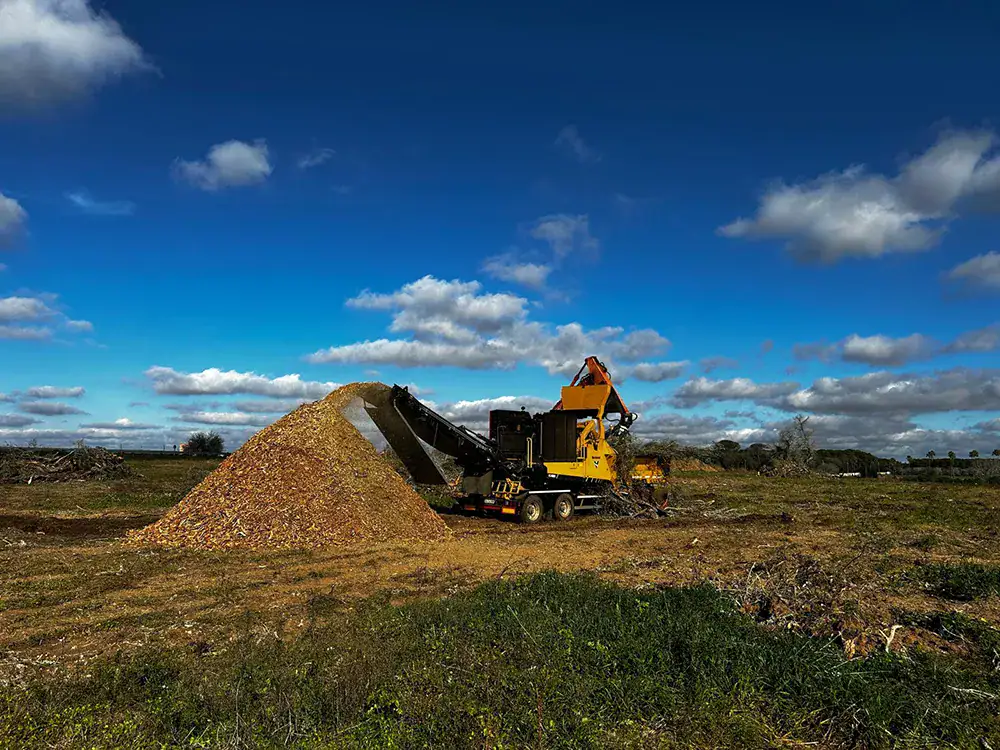
- Forest management residues (branches, treetops, and similar materials);
- Agricultural residues (pruning and orchard removal);
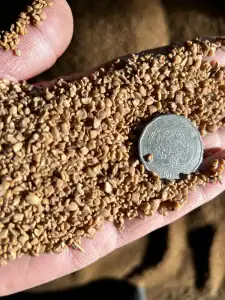
- Agricultural and forestry industry residues (de-oiled olive pomace, olive pits, sawmill by-products).
Biomasse Italia maintains strong ties with Calabria and neighbouring regions, resulting in a continuous increase in locally sourced biomass. However, despite this growth, local availability does not fully meet the plant’s fuel demand. To ensure a reliable supply, the remaining biomass is sourced from other Italian regions and transported by sea through the Port of Crotone.
In line with its commitment to sustainability and its active contribution to addressing national environmental challenges, part of the biomass supply also comes from phytosanitary forestry operations carried out to combat pests and diseases (such as Toumeyella, Bostrico, and Xylella) as well as from the recovery of biomass generated by natural disasters, including Storm Vaia in the Trentino and Veneto regions.
Biomasse Italia secures its biomass supply through long-term partnerships with trusted suppliers, building stable relationships based on mutual benefit. This approach combines high service quality with competitive pricing, creating shared value for both suppliers and the company.
Our sustainability model is founded on three interconnected pillars: environmental responsibility, economic value, and social development. Alongside the direct benefits generated by biomass procurement, our operations support employment and economic growth throughout the local supply chain by engaging regional companies that provide essential goods and services, including maintenance, logistics, port operations, transport, and material handling.
 È stato sviluppato il nuovo modello di business della filiera corta con i ruoli di tutti gli attori della parte agro-industriale ed è stato definito il modello economico-finanziario di ripartizione degli incentivi tariffari sulla base delle prestazioni del segmento agricolo e di quello energetico; questo modello, trasferito in un software dedicato, diventa la base di definizione degli accordi commerciali con la massima trasparenza per tutti gli operatori.


